The best indicators of a stream’s health are the abundance and diversity of life the stream supports. Partners of the BCWA, such as the Conemaugh Valley Conservancy (CVC), the Western Pennsylvania Conservancy (WPC) and others have conducted and continue to conduct evaluations of the macroinvertebrate and fish life at various locations in the Blacklick Creek watershed to document stream health.
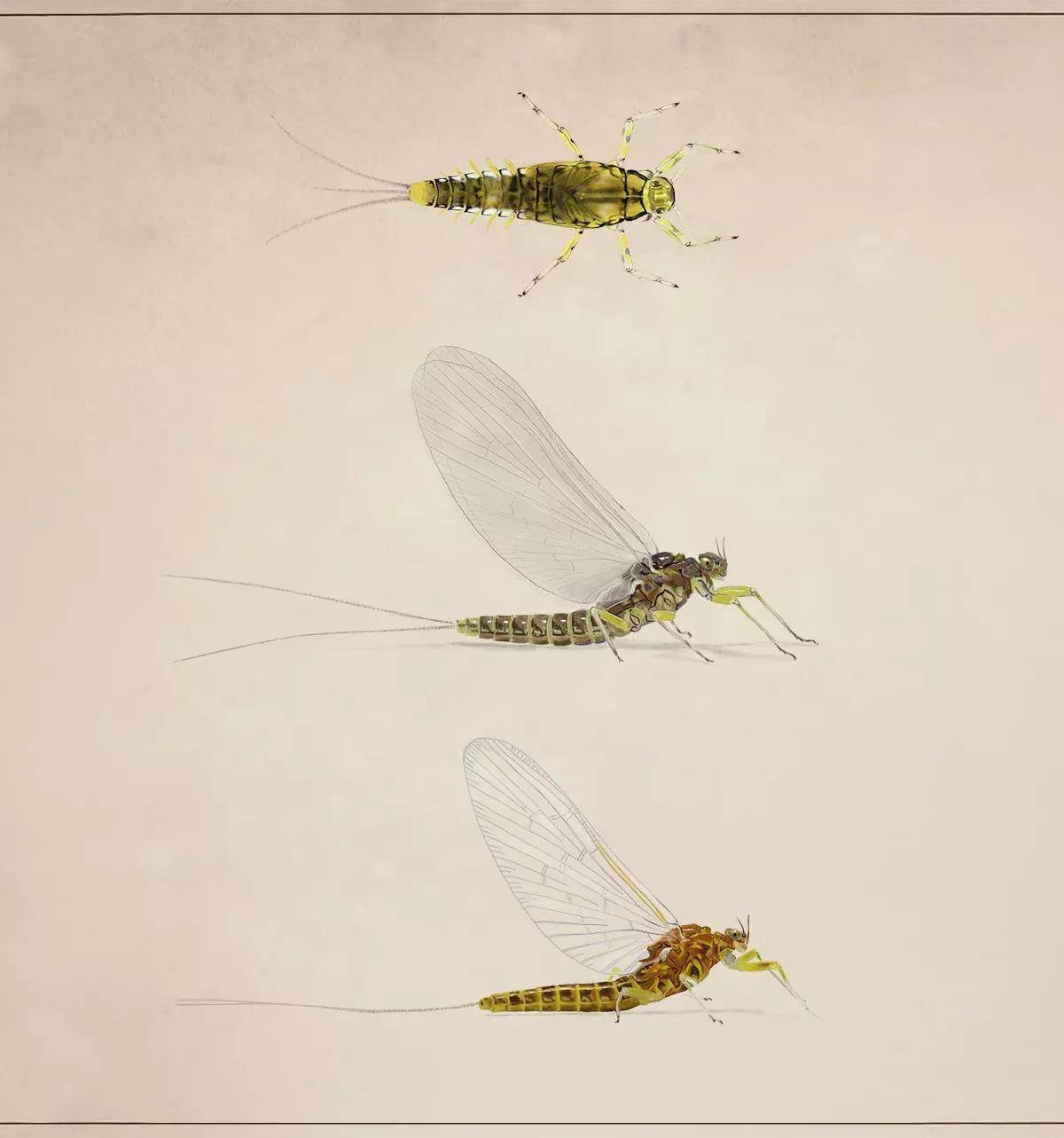
Macroinvertebrates
The macroinvertebrates found in streams are small to medium sized creatures (mostly insects) that spend most of their lives submerged in the various habitats a stream provides. Because of this, the type, number and diversity of macroinvertebrates in a stream are usually an excellent indicator of the stream’s overall health and quality. Macroinvertebrates are the most important food source for many species of fish and are the anchor of a stream’s food chain. Most of the myriad of flies used by fly fisherman are representations of the different life stages of the common, and sometimes not-so-common, macroinvertebrates found in the stream being fished. The macroinvertebrate surveys conducted in the Blacklick Creek watershed reveal much about the stream’s health and improving conditions.
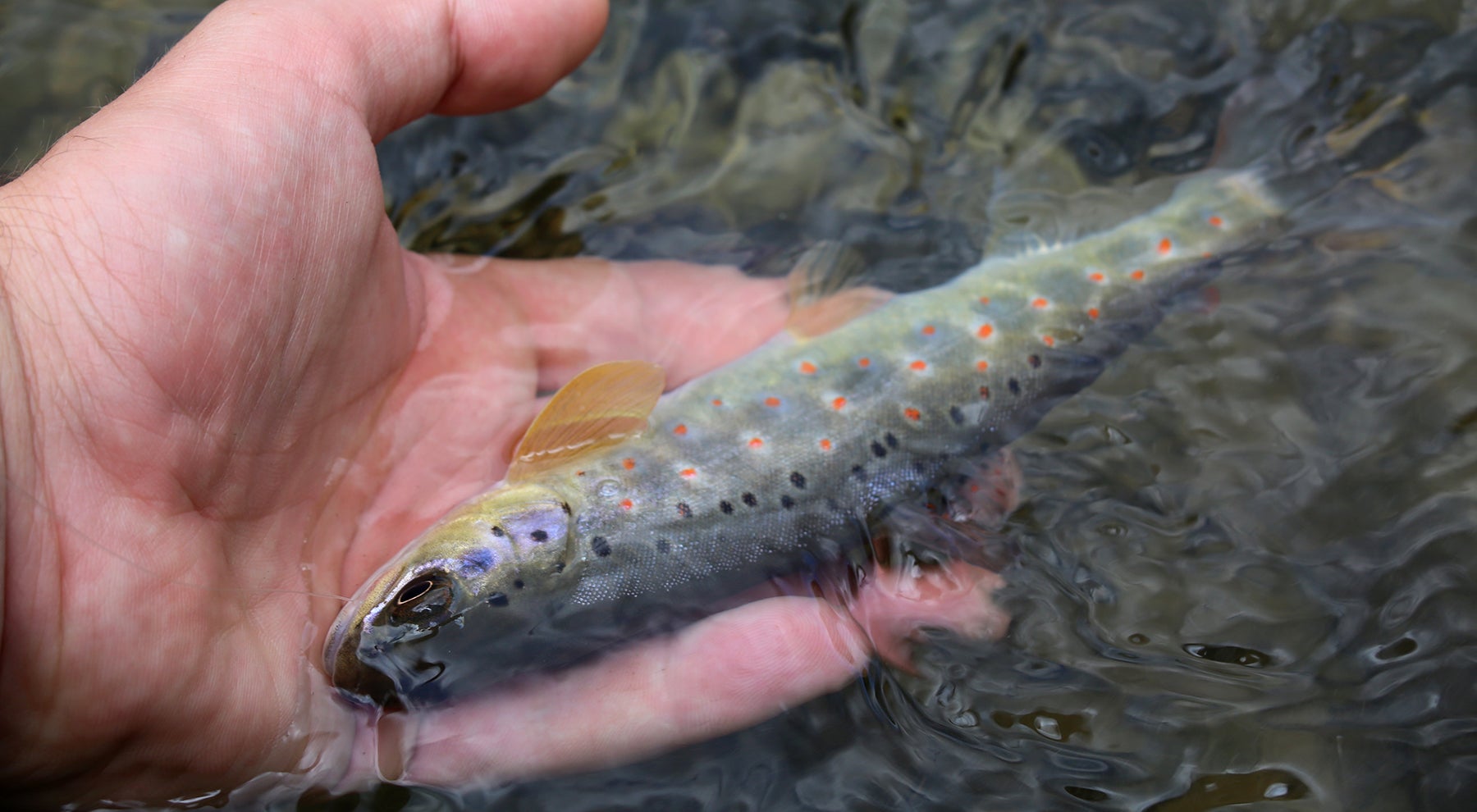
Fish
The number and types of fish present are what many of us think of first when considering whether a stream is of “good” or “bad” quality. For decades many of the larger stream segments in the Blacklick Creek watershed supported little to no fish life due to impairments mostly, but not exclusively, tied to abandoned mine lands. However, many smaller tributaries and even some larger segments such as Little Yellow Creek, South Branch Two Lick Creek, and the middle section of Yellow Creek have long supported healthy fish populations. As water quality has improved, fish populations have expanded and diversified substantially over the past few years and are expected to continue to do so as the effects of the Blacklick Treatment Plant and other remediation efforts take hold.
 Blacklick Creek Watershed Association